How Rehabilitation Improves Long-Term Outcomes
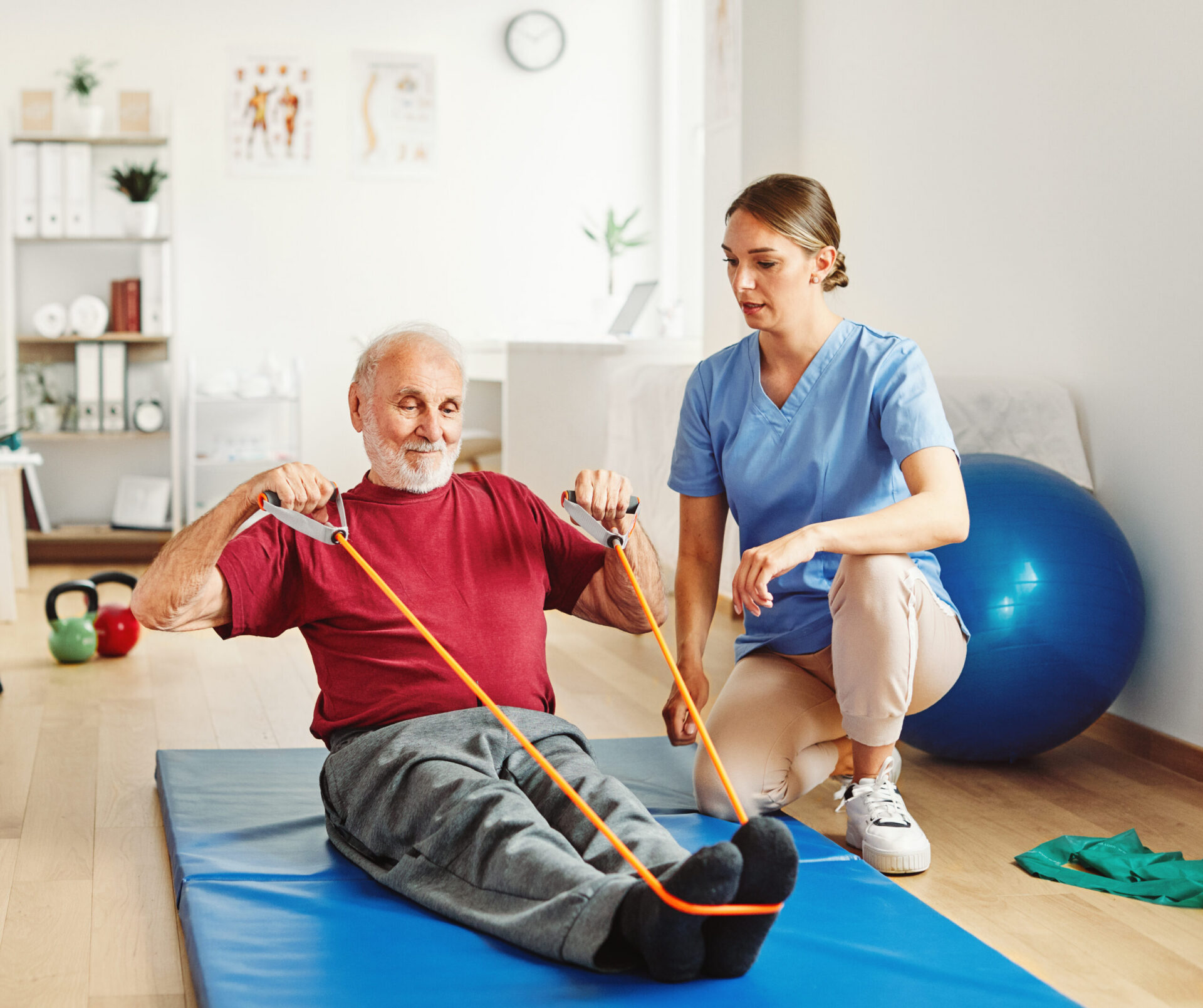
When someone experiences a serious illness, surgery, or injury, recovery often requires more than rest. For many patients, real recovery progress begins in an environment designed to restore strength, function, and independence.
Rehabilitation programs have been shown to improve long-term outcomes by helping patients regain mobility more quickly, reducing the risk of hospital readmission, and maintaining a higher quality of life long after discharge.
Achieving the best recovery outcomes requires coordinated, comprehensive care. That’s why each of our rehabilitation programs are built around that goal.
In this article, we’ll look at what rehabilitation care includes, why it contributes to stronger long-term outcomes, and how these programs help patients move toward lasting well-being.
What is Rehabilitation?
Rehabilitation is a specialized level of care that helps patients recover after a serious illness, injury, or surgery. It combines therapy services with medical oversight and supportive care, all within a structured healing environment.
The goal is to help each patient regain strength, restore function, and safely return to independent living.
Rehabilitation Services Compared
There are various types of rehabilitation services:
- Outpatient rehabilitation: Patients visit a therapy center a few times a week for scheduled sessions but return home afterward. Medical oversight is limited, and progress depends heavily on self-management.
- Home healthcare: Therapists and nurses visit patients at home for short appointments. This is best for those who are medically stable and able to function safely at home but need occasional therapy or nursing care.
- Skilled nursing care: Focuses primarily on long-term medical management and basic daily support, rather than intensive, goal-driven therapy.
Who Qualifies for Rehabilitation Services?
Rehabilitation programs are recommended for patients who need focused therapy and medical oversight to recover safely and fully after a major health event. These individuals may not be ready to return home and require a supportive environment that encourages daily progress.
Patients who often benefit from rehabilitation include those recovering from:
- Orthopedic surgeries or injuries such as hip fractures, joint replacements, or spinal surgery
- Neurological conditions such as stroke, brain injury, or multiple sclerosis
- Cardiac or pulmonary illnesses that affect endurance and mobility
- Prolonged hospital stays or serious infections that lead to weakness or loss of independence
- Complex medical conditions that require close monitoring while participating in therapy
Before beginning a program, each patient is evaluated to ensure the setting is appropriate for their medical needs, physical abilities, and recovery goals. This careful assessment helps the rehabilitation team create a personalized plan that supports steady progress from the very first day.
A Multidisciplinary Team to Support Better Outcomes
Recovery is most successful when every part of a patient’s health is supported. That is why our rehabilitation centers bring together a multidisciplinary team that works closely to address physical, emotional, and medical needs throughout recovery.
Rehabilitation teams can includes:
- Physicians and nurse practitioners who oversee care plans, manage medical conditions, and monitor progress
- Registered nurses who provide 24-hour skilled care and ensure safety and comfort
- Physical therapists who help patients rebuild strength, mobility, and coordination
- Occupational therapists who focus on daily activities such as dressing, bathing, and activities for memory, orientation, and cognitive integration
- Speech-language pathologists who assist with communication, cognition, and swallowing difficulties
- Social workers and case managers who support families, coordinate discharge plans, and connect patients with continued care at home
Together, this team provides a supportive experience that blends expert therapy with compassionate, patient-centered care.
Why Rehabilitation Programs Matters for Long-term Recovery
Proper recovery requires building a strong foundation for lasting strength, independence, and quality of life. Rehabilitation programs provide patients with the structure, support, and daily guidance needed to achieve long-term outcomes.
Research continues to show that patients who participate in structured, multidisciplinary rehabilitation programs achieve better outcomes well beyond discharge.
Focused Therapy Accelerates Progress
Rehabilitation programs provide consistent, goal-driven therapy—often more frequently than outpatient or home-based services. This concentrated approach allows patients to regain strength and mobility more efficiently.
For example, a 2020 study found that older adults recovering from hip fractures who received multidisciplinary rehabilitation had significantly higher functional scores at 3, 6, and 12 months compared to those who received standard post-acute care.
Coordinated Care Reduces Hospital Readmissions and Complications
Recovery can be delicate, particularly for patients managing multiple health conditions. However, studies show that rehabilitation programs lower the risk of hospital readmissions and medical complications by ensuring that patients are closely monitored as they regain function.
A 2022 review reported that patients who participated in multidisciplinary rehabilitation programs had lower rates of rehospitalization and improved survival compared to those discharged directly into home care settings.
Long-Term Quality of Life is Improved
The benefits of rehabilitation reach beyond physical recovery. A 2025 study found that patients who completed structured rehabilitation programs reported higher quality of life, better emotional well-being, and stronger self-sufficiency months after discharge.
When patients regain the ability to move freely, manage daily routines, and participate in their communities again, their confidence and outlook improve. Rehabilitation supports not only physical healing but also emotional resilience.

What Patients and Families Should Know
Choosing the right rehabilitation program is an important decision. The quality of the program, experience of the staff, and level of support offered play a major role in long-term outcomes.
Taking time to understand what to look for can make the process less stressful and ensure that you or your loved one receives the best possible care.
Choosing the Right Program
Not all rehabilitation programs are the same. Some focus primarily on medical care, while others emphasize therapy intensity or specialized services. When comparing options, it helps to ask a few key questions:
- Is the program accredited and well-reviewed? Accreditation from state or national organizations and dedication to compliance is one of the best indicators of a quality rehabilitation program. Reviews from patients and families can also provide valuable insight into the experience of care.
- What therapies are available? Look for a program that provides physical, occupational, and speech therapy, along with access to social work and case management. A multidisciplinary approach ensures that recovery addresses every part of a patient’s well-being.
- How intensive is the therapy schedule? Rehabilitation programs typically provide regular, structured therapy sessions tailored to a patient’s needs. Ask how often therapy occurs and how progress is measured.
- How does the care team communicate with families? The best programs include families in care planning and keep them updated throughout the stay.
- Is the facility clean, comfortable, and safe? The environment matters. Patients recover more effectively in a setting that feels supportive and well-maintained.
Through the centers supported by CCR, every patient benefits from an individualized care plan shaped by a dedicated team of specialists working together each day. Families are welcomed as active partners from admission to discharge.
Insurance and Cost Considerations
Understanding the financial side of care is essential for planning a smooth transition into rehabilitation. Costs can vary depending on the length of stay, level of medical care, and individual insurance coverage.
Here are a few steps that can help patients and families prepare:
- Review your insurance plan. Many rehabilitation services are covered by Medicare, Medicaid, or private insurance. Contact your provider to confirm coverage for rehabilitation and any requirements for pre-authorization.
- Ask about what’s included. Some facilities include therapy, meals, and nursing care in their daily rate, while others may charge separately for medications, specialty services, or equipment.
- Clarify potential out-of-pocket costs. Understanding deductibles and copays upfront helps families avoid unexpected expenses later.
- Discuss discharge planning early. Knowing what follow-up care may be needed, such as outpatient therapy or home health, can help families plan for ongoing costs and coverage.
Our teams are available to help patients and families navigate the financial process with transparency and care. They work directly with insurance providers to confirm benefits and provide clear explanations of coverage so families can focus on what matters most: the patient’s healing and recovery.
Learn more about CCR’s payment options from our FAQs.
Compassion, Care, and Lasting Results
At Commonwealth Care of Roanoke, our goal is to help every patient reach their highest level of independence through individualized, compassionate care. We understand that every recovery journey is different, and we are committed to walking beside each patient and family from the first day of therapy to the moment they return home, and beyond.
For families exploring rehabilitation options, we invite you to visit one of our 12 Health & Rehab centers across Virginia to learn more about available programs, meet our care teams, and see how our dedication to long-term recovery can make a difference in your loved one’s life.
Contact your nearest location to schedule a visit or learn more about the services available.